
Draškovič Manor House
In the heart of Čachtice stands the Drašković Manor House, a Renaissance gem that has been restored to its former glory after years of neglect. Thanks to extensive renovations, this national cultural monument has been transformed into a modern cultural and historical space appealing to families, schools and discerning visitors.
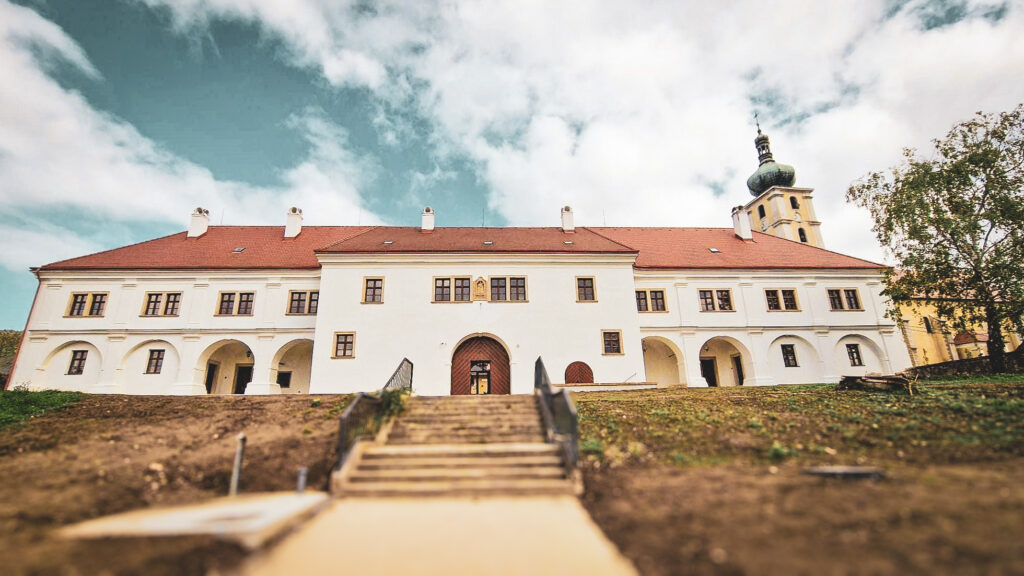
Built in 1668 and expanded in the late 17th century, the Renaissance manor house now offers seven themed exhibitions and numerous interactive elements that bring the rich history of Čachtice and the entire region to life.
Explore the interactive exhibits!
(1) Elizabeth Báthory: Between Legend and Reality
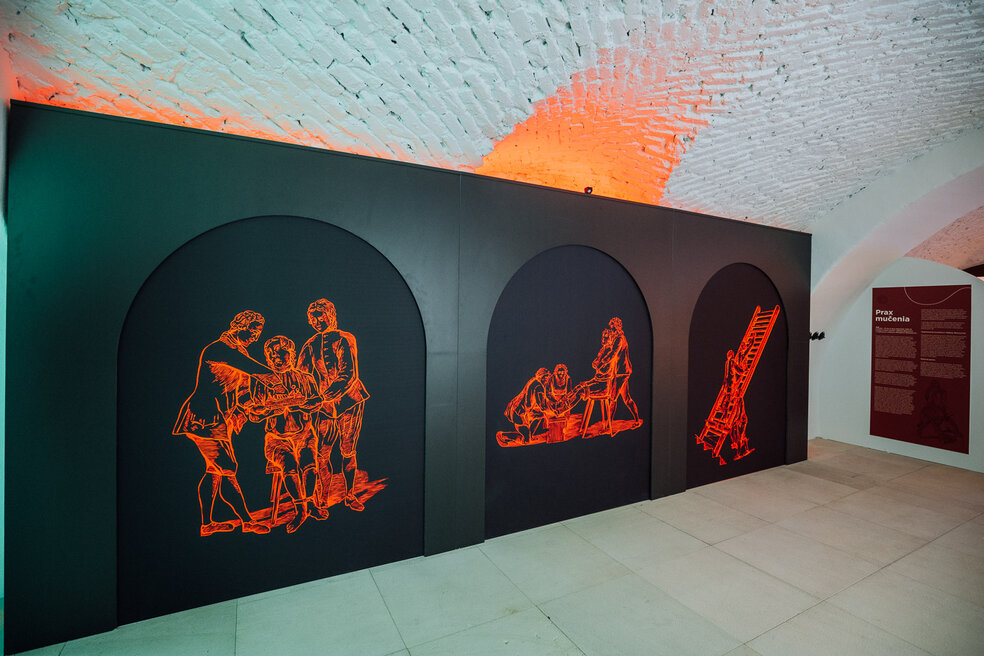
One of the castle’s main attractions is the exhibition dedicated to Elizabeth Báthory. Set in the authentic cellar rooms, this modern interactive exhibition focuses on historically verifiable facts, the trial and testimonies — some of which were obtained through torture.
Visitors are immersed in the narrative through features like a talking painting and holographic theatre. The exhibition reveals the difference between actual events and the legend that emerged a century after the Countess’s death.
(2) The Hutterites and Their Unique Craft:
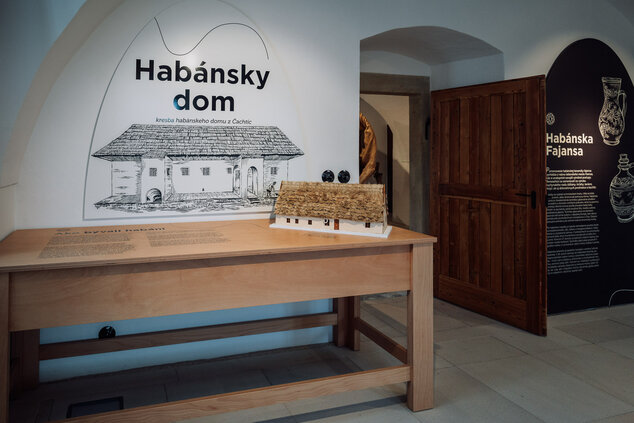
The manor house also features a unique collection of Hutterite pottery. The Hutterites — a religious community renowned for their craftsmanship — found refuge in Čachtice in 1621. This exhibition explores their lifestyle, production techniques and the distinctive patterns of their pottery, which are among the most notable examples of the local craft tradition.
(3) Roma culture and the history of the region
This educational exhibition focuses on the history and contributions of the Roma community in the region. It showcases their traditional crafts, music and way of life, all of which have played a significant role in shaping the cultural identity of Čachtice and the surrounding area. Particular attention is given to their economic and social contributions during the 19th and 20th centuries.
(4) The Tatrín Society and the Birth of Standard Slovak
Čachtice played a significant role in Slovak national history. The audiovisual exhibition depicts a 1847 meeting of the Tatrín Society, at which figures such as Ľudovít Štúr, Jozef Miloslav Hurban and Michal Miloslav Hodža agreed on the form of standard Slovak.
Thanks to modern technology, visitors find themselves right ‘in the middle of the proceedings’ and can experience the atmosphere of this pivotal moment in the Slovak National Revival.
(5) Noble Families and Life in the Manor
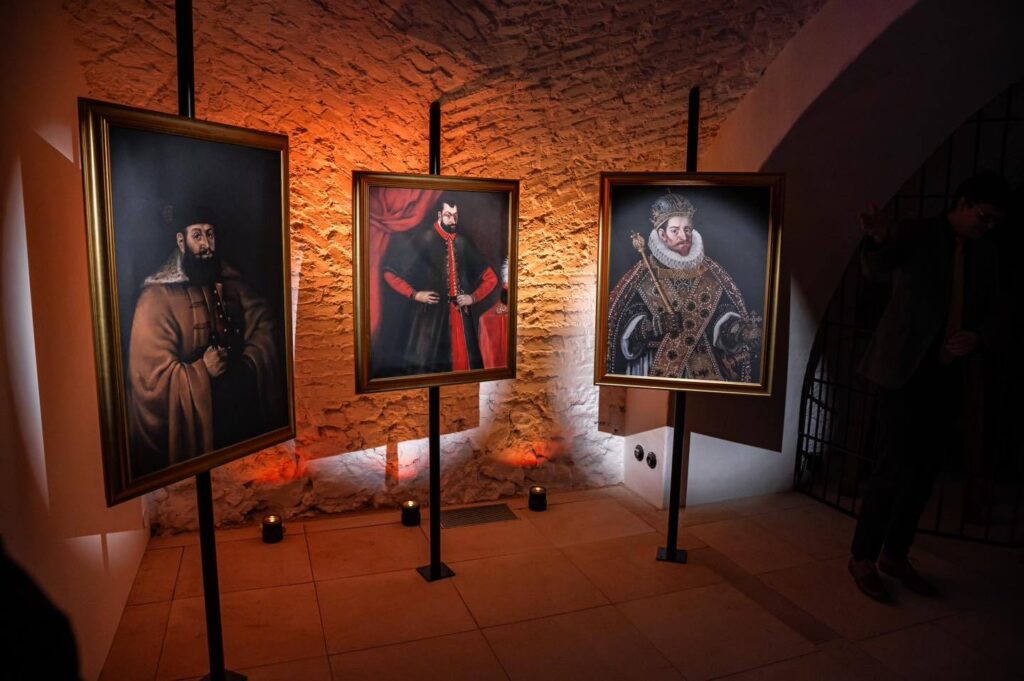
This exhibition showcases the noble families who shaped the history of the manor: the Draškoviče, Forgáči and Čenkeje. Authentic replicas of furniture, period clothing and interiors bring the daily lives of the nobility from the 17^(th) to the 19^(th) century to life. The tour includes a music salon, a noble library with a secret door, a bedroom and a children’s room with a play area for younger visitors.
(6) Wine, vineyards and cellars
The castle’s authentic cellars house an exhibition on viticulture and winemaking, both of which have a long tradition in Čachtice dating back to the Middle Ages. Visitors can learn about the history of viticulture and wine production, as well as their importance to the local economy. The exhibition also offers an experiential gastronomy space.
(7) Čachtice from Prehistory to the Present
This final exhibition traces the development of the Čachtice settlement from the Stone Age to the present day. Archaeological finds, historical documents and artefacts from different periods illustrate the changes to the village, which is dominated by Čachtice Castle. This castle has left its mark on Slovak history, not only through legends, but also through significant historical events.
Today, Drašković Manor is much more than just a museum. As well as serving as a museum, it also functions as a tourist information centre, a cultural and creative space for exhibitions, concerts and workshops, and offers the option of renting the premises for events or photo shoots.
Practical information
OPENING HOURS
Tuesday–Sunday, 10:00–17:00 (13:00–13:30 lunch break)